
Is Kibble Bad for Dogs? Why Dry Food Alone May Not Be Enough
Pour. Scoop. Serve.
Kibble is easy. It’s convenient. And for a lot of dog parents, it feels like the “normal” way to feed a dog.
But here’s the real question:
Is kibble actually giving your dog everything they need to feel their best?
For many dogs, kibble can be part of the routine. But when dry food becomes the only thing in the bowl every single day, it may leave your dog missing out on moisture, variety, fresh nutrients, and whole-food support.
Think of it like this: even if a packaged meal technically contains vitamins and minerals, you probably wouldn’t want to eat only that one food every day for life.
Dogs are no different.
Let’s break down what kibble is, where it falls short, and how to upgrade your dog’s meals without making feeding complicated.
What Is Kibble, Really? Start With the Label
Kibble is dry dog food made through high-heat processing. Ingredients are mixed, cooked, shaped into pellets, dried, and often coated with fats or flavor enhancers to make the food more appealing to dogs.
That doesn’t mean every kibble is automatically “bad.”
When choosing any dog food, it’s still important to check the nutritional adequacy statement on the label so you know whether the food is formulated to meet your dog’s basic nutritional needs.
But meeting basic nutritional standards doesn’t always mean a food is giving your dog the freshest, most varied, or most moisture-rich diet possible.
Most kibble is usually:
- Highly processed
- Very low in moisture
- Designed for shelf stability
- Often dependent on added vitamins and minerals
- Usually fed with very little variety
The issue isn’t always kibble itself.
The bigger issue is feeding only kibble, every meal, every day, and assuming that’s the best possible nutrition your dog can get.
Kibble vs Fresh Dog Food: What’s the Difference?
Kibble is dry dog food made through high-heat processing. Ingredients are mixed, cooked, shaped into pellets, dried, and often coated with fats or flavor enhancers to make the food more appealing to dogs.
That doesn’t mean every kibble is automatically “bad.”
When choosing any dog food, it’s still important to check the nutritional adequacy statement on the label so you know whether the food is formulated to meet your dog’s basic nutritional needs.
But meeting basic nutritional standards doesn’t always mean a food is giving your dog the freshest, most varied, or most moisture-rich diet possible.
Most kibble is usually:
- Highly processed
- Very low in moisture
- Designed for shelf stability
- Often dependent on added vitamins and minerals
- Usually fed with very little variety
The issue isn’t always kibble itself.
The bigger issue is feeding only kibble, every meal, every day, and assuming that’s the best possible nutrition your dog can get.
5 Ways a Kibble-Only Diet May Fall Short
1. Kibble Is Very Low in Moisture
Dogs get hydration from both water and food.
Fresh foods naturally contain moisture. Kibble does not.
Because kibble is dry, dogs eating only dry food may not get as much meal-based hydration as dogs eating fresh or moisture-rich meals. Over time, adding moisture to the bowl can be a simple way to support digestion and overall wellness.
Easy upgrades include:
- Warm water
- Bone broth made for dogs
- Goat milk, if tolerated
- Wet food mixed into kibble
- Fresh dog-safe foods
Even a splash of warm water can make meals easier to eat and more appealing.
2. Kibble Usually Lacks Fresh Food Variety
Many dogs eat the same bag of food for months or even years.
Same protein. Same formula. Same texture. Same everything.
The problem is that variety matters. Rotating dog-safe foods can expose your dog to different nutrients, textures, and flavors while helping make mealtime more enriching.
Simple fresh additions may include:
- Blueberries
- Pumpkin
- Broccoli
- Sardines packed in water
- Lean cooked meat
- Plain kefir, if tolerated
You don’t need to turn your kitchen into a dog nutrition lab. Start with one small fresh addition at a time.
3. Processing Can Reduce Natural Nutrient Quality
Kibble has to be cooked and processed to become shelf-stable dry food.
During that process, some natural nutrients can be reduced. That’s one reason many kibble formulas rely on added vitamins and minerals after processing.
Again, this doesn’t make all kibble “bad.”
But it does explain why many dog parents choose to add fresh foods, functional toppers, or plant-focused supplements to help support a more complete wellness routine.
Food-based variety can help bring more life back into the bowl.
4. Kibble Alone May Not Support Your Dog’s Specific Needs
Your dog’s needs can change based on age, activity level, stress, digestion, mobility, and overall lifestyle.
A young, high-energy dog may need different support than a senior dog with stiff joints. A nervous dog may benefit from calming support. A dog with occasional digestive issues may need more gut-friendly additions.
That’s where functional wellness support can help.
For example:
- Dogs with anxious energy may benefit from calming support
- Senior dogs may need more vitality and mobility support
- Active dogs may need joint and recovery support
- Dogs on dry food may benefit from hydration and fresh toppers
This is where a brand like Doolce + Diego fits naturally: not as a replacement for feeding well, but as a way to support your dog’s daily wellness routine.
5. “My Dog Loves Kibble” Doesn’t Always Mean It’s the Best Option
Dogs can love foods that aren’t necessarily the most nourishing.
Kibble is often coated with fats and flavorings to make it more appealing. That’s why many dogs get excited when they hear the scoop hit the bowl.
But appetite doesn’t always equal optimal nutrition.
The better question is:
How does your dog look, feel, move, digest, and behave over time?
Signs your dog may need a meal upgrade can include:
- Dull coat
- Low energy
- Stiff movement
- Itchy skin
- Sensitive stomach
- Picky eating
- Anxious or restless behavior
These signs can have many causes, so they’re not automatically a “kibble problem.” But they are worth paying attention to.
How to Upgrade Your Dog’s Kibble Without Overhauling Everything
You don’t have to switch to a fully fresh diet tomorrow.
In fact, for most dog parents, the best approach is slow and simple.
Start with small upgrades your dog can tolerate.
1. Add Moisture to the Bowl
This is one of the easiest wins.
Add a splash of warm water, dog-safe bone broth, or goat milk to your dog’s kibble. Let it sit for a few minutes so the food softens slightly.
This can make dry food more appealing while supporting hydration.
2. Add One Fresh Food at a Time
Choose one dog-safe fresh food and add a small amount to your dog’s meal.
Good starter options include:
- Pumpkin
- Blueberries
- Cooked lean turkey
- Sardines in water
- Steamed broccoli
- Plain kefir
Start small, watch your dog’s digestion, and build from there.
3. Rotate Proteins When Possible
If your dog tolerates food changes well, consider rotating proteins every few months.
For example, you might rotate between chicken, turkey, beef, fish, or lamb-based formulas.
This may help create more nutrient variety and reduce the boredom of feeding the exact same meal forever.
4. Use Functional Supplements Strategically
This is where Doolce + Diego can be introduced without making the post feel salesy.
Depending on your dog’s needs, you can pair better feeding habits with targeted wellness support.
For dogs with anxious energy:
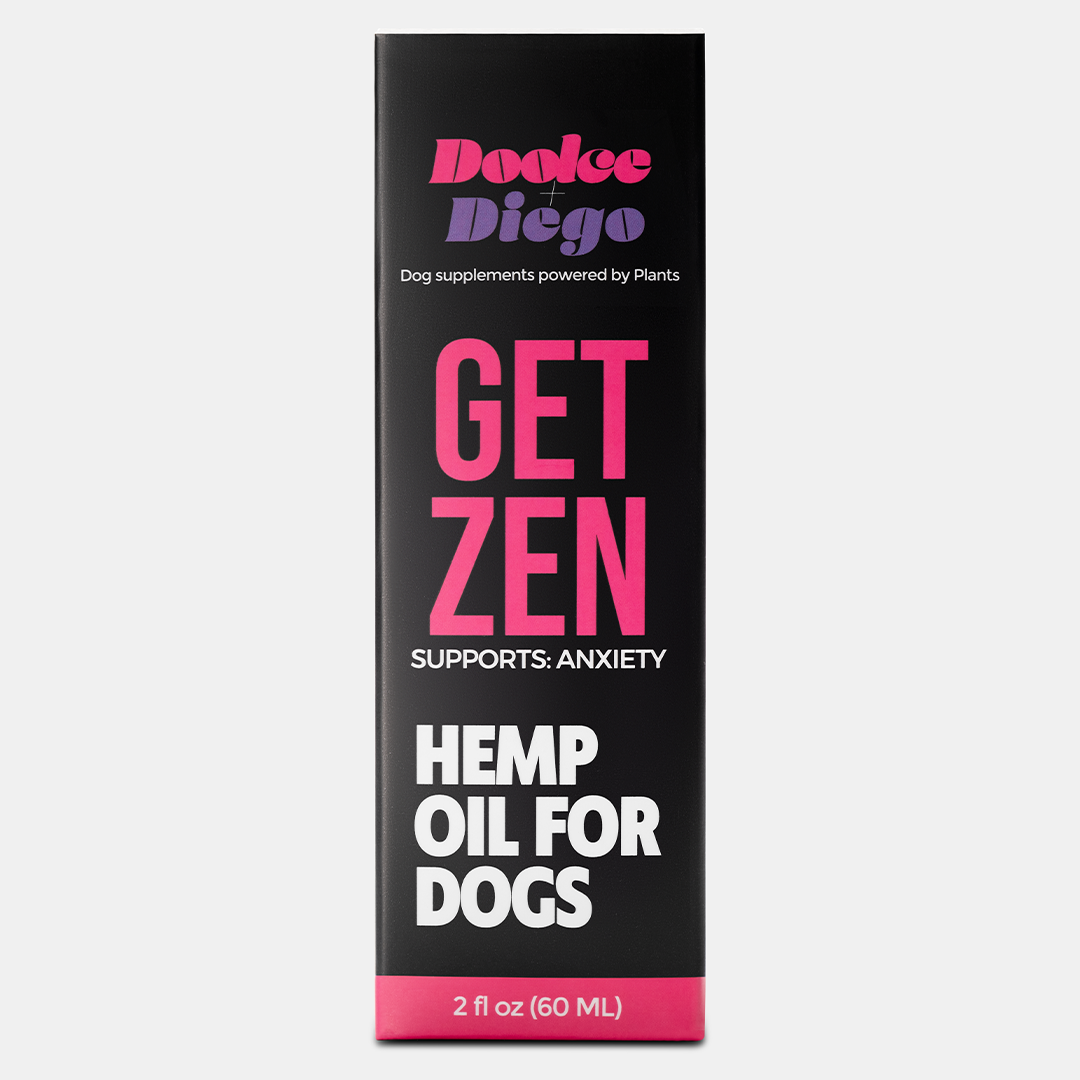
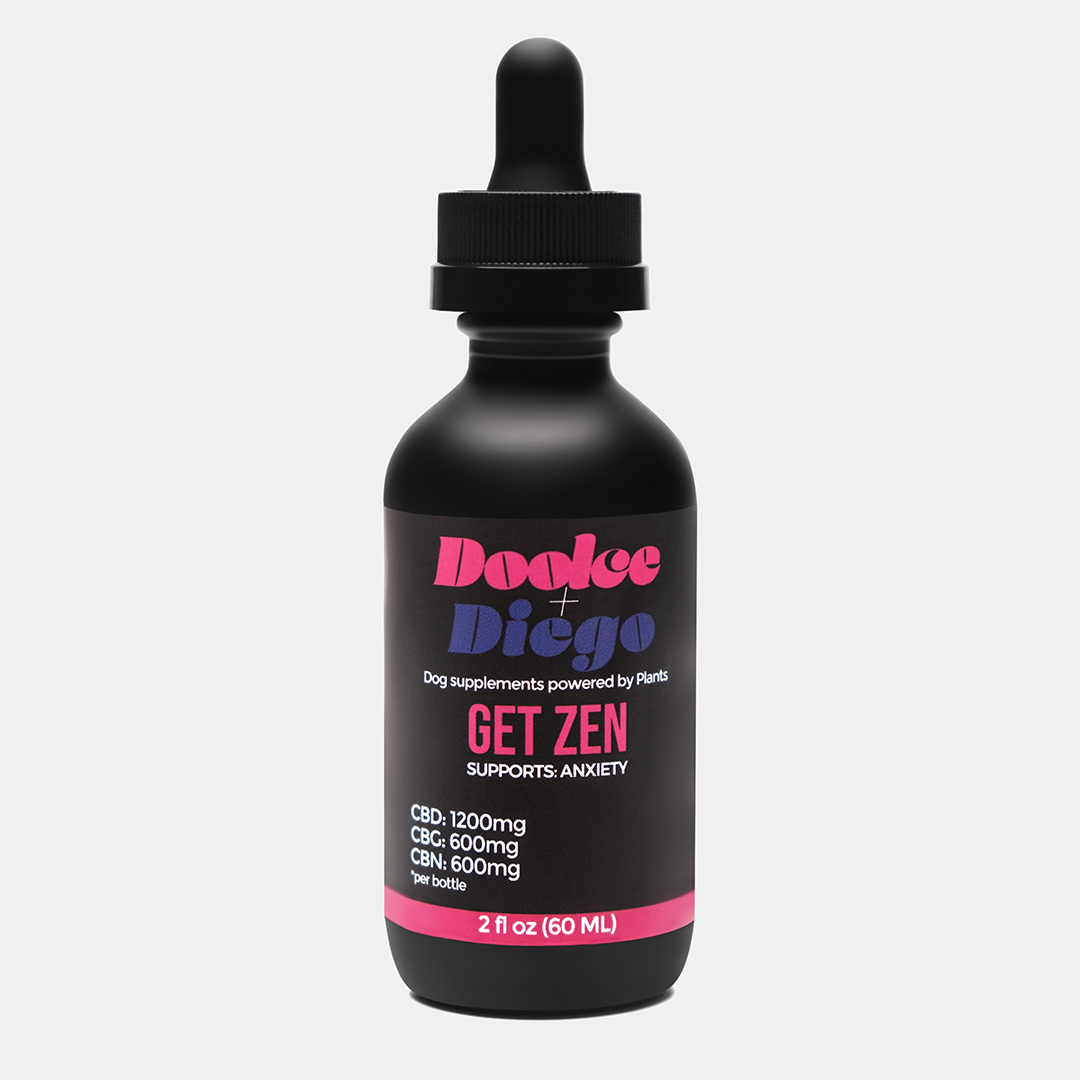
Try Get Zen, our THC-free hemp tincture designed to support calmer moments when your dog needs help settling down.
For dogs with stiff joints or mobility concerns:
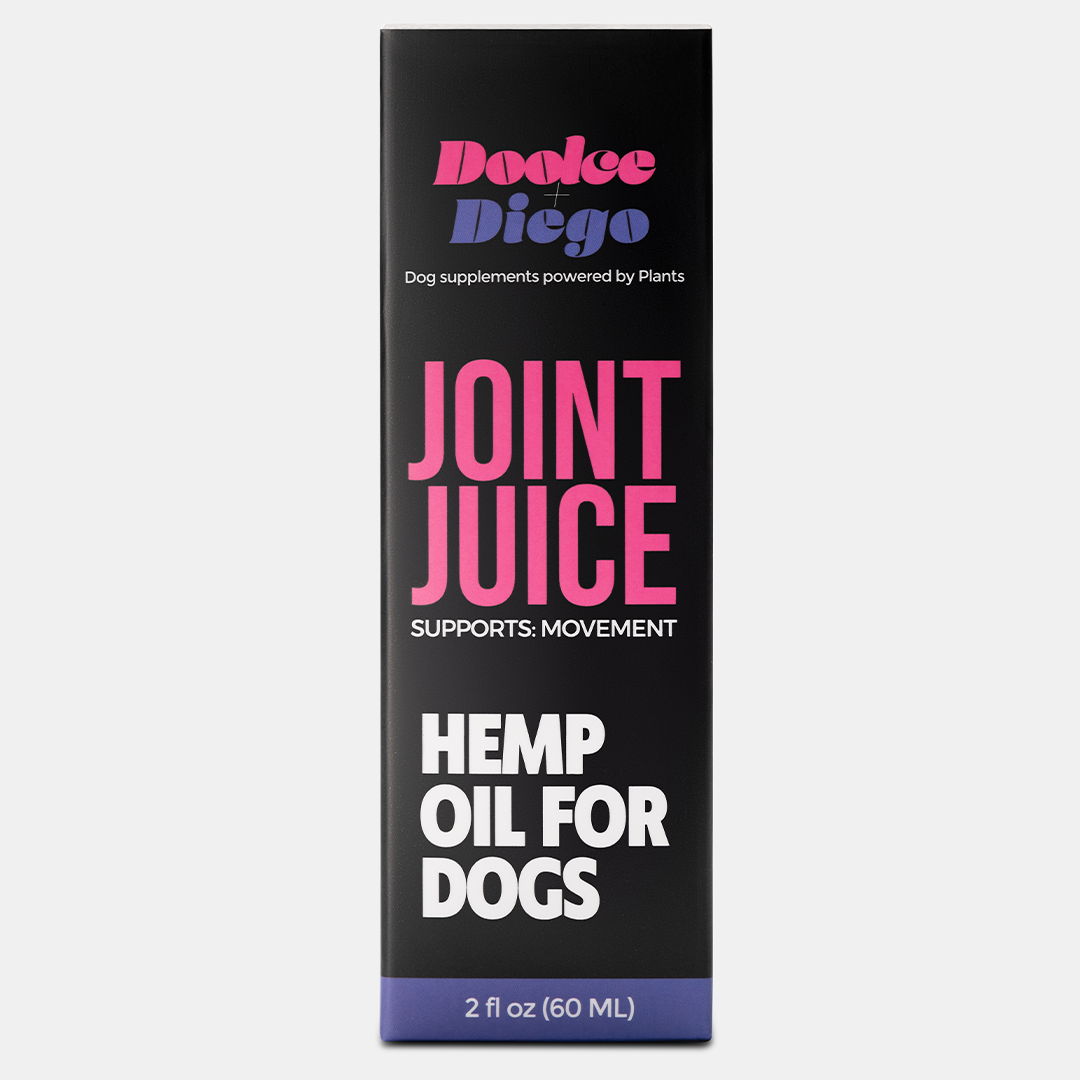
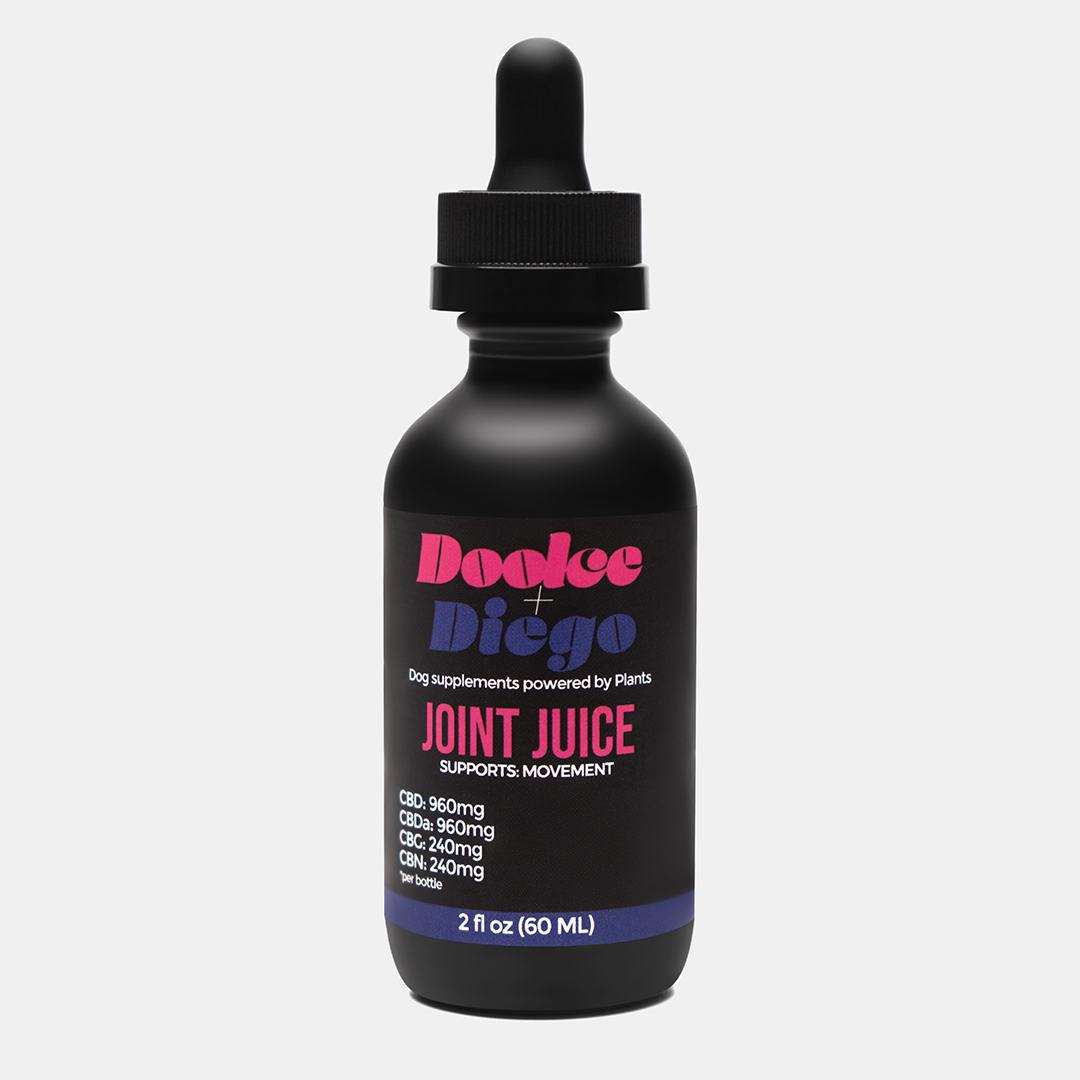
Try Joint Juice, our plant-focused tincture made to support movement, comfort, and daily mobility.
For senior dogs who need extra vitality support:
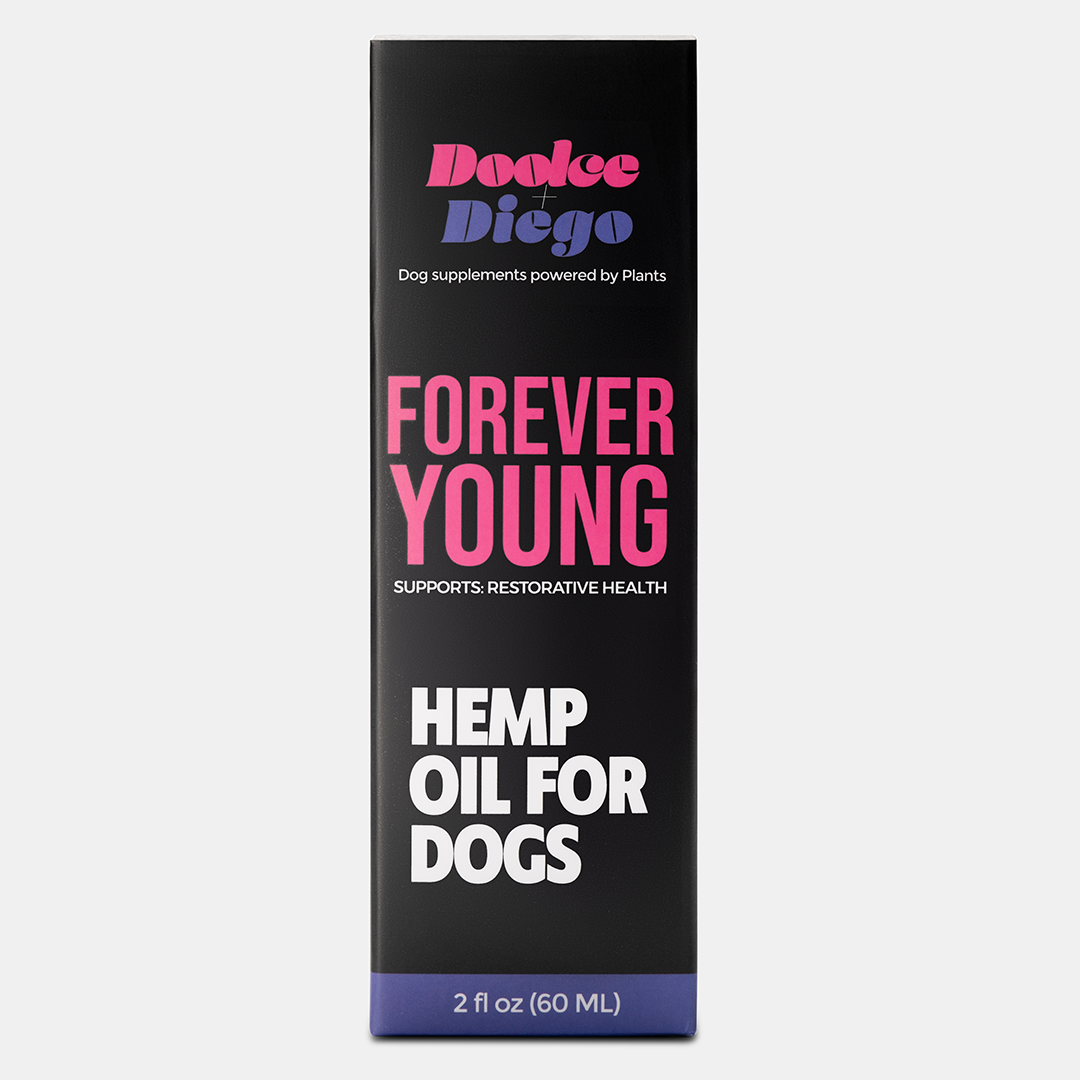
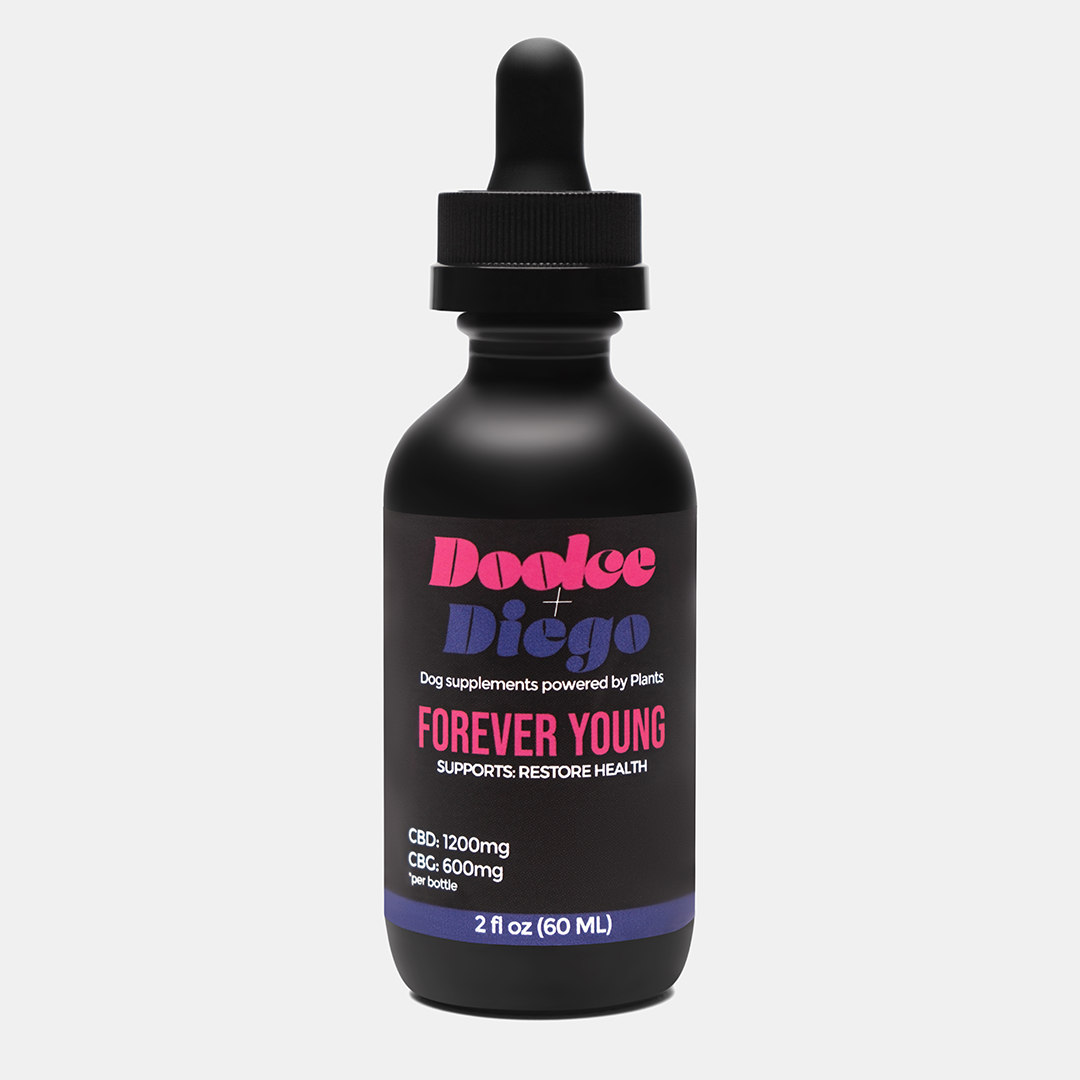
Try Forever Young, our THC-free hemp tincture created for aging dogs who deserve to feel more like themselves.
Better Dog Nutrition Doesn’t Have to Be Perfect
At Doolce + Diego, we’re not here to shame dog parents.
Kibble is convenient. It’s affordable. And for many families, it’s part of real life.
But your dog’s bowl doesn’t have to stop there.
A better approach is simple:
Keep what works. Upgrade what you can. Stay consistent.
Add moisture. Add fresh foods. Rotate when possible. Support your dog’s unique needs with thoughtful, plant-focused wellness products.
Because your dog doesn’t need a perfect diet to benefit from better choices.
They just need you to start.
First Steps: How to Upgrade a Kibble-Based Diet
Here’s the simple version:
- Add warm water or dog-safe broth to your dog’s kibble
- Mix in one fresh food a few times per week
- Rotate proteins when your dog tolerates it
- Watch for changes in energy, coat, digestion, and mobility
- Add functional support based on your dog’s needs
Small changes can make a big difference over time.
And if your dog is dealing with anxious energy, stiffness, or age-related slowdown, Doolce + Diego has plant-focused formulas made to support them every day.
Shop our dog wellness collection and find the right support for your pup.
Frequently Asked Questions
Is kibble bad for dogs?
Kibble is not automatically bad for dogs, but a kibble-only diet may lack moisture, variety, and fresh whole-food nutrients. Many dog parents improve their dog’s meals by adding water, dog-safe fresh foods, or functional supplements.
Is fresh food better than kibble for dogs?
Fresh food usually contains more moisture and recognizable ingredients than dry kibble. However, many dog parents use a blended approach by keeping kibble as the base and adding fresh foods or toppers for extra support.
What can I add to my dog’s kibble?
You can add dog-safe foods like pumpkin, blueberries, sardines, cooked lean meats, bone broth, or plain kefir. Always introduce new foods slowly and avoid ingredients that are unsafe for dogs.
Should I stop feeding my dog kibble?
Not necessarily. Many dogs do fine with kibble as part of their diet. The goal is not always to eliminate kibble, but to improve the bowl with hydration, fresh food variety, and targeted wellness support.
How can I make kibble healthier for my dog?
Start by adding moisture, rotating proteins when appropriate, mixing in fresh dog-safe foods, and using functional supplements based on your dog’s specific needs.